Bringing a loved one to the United States through a K-1 visa is one of the most meaningful steps a couple can take together. For many, it marks the transition from a long-distance relationship to building a life side by side. But while the intention is simple, to get married and start a future together, the legal process is anything but.
The K-1 visa, commonly referred to as the fiancé(e) visa, allows a U.S. citizen to petition for their foreign partner to enter the United States for the purpose of marriage. Once approved, the foreign national must enter the country, marry within 90 days, and then begin the next chapter: adjusting status to become a lawful permanent resident.
Still, many couples find themselves facing questions early on: What exactly is required to qualify? How much does the process cost from start to finish? How long does it take, and why do some applications get delayed? What happens after the wedding? Is a green card automatic?
This guide aims to answer those questions with clarity and accuracy. From the initial filing of Form I-129F to the adjustment of status after marriage, we will walk through each step of the process, explain the current timelines and fees, and outline the key responsibilities that both partners must fulfill.
Whether you are just beginning to explore your options or are already deep into the process, understanding how the K-1 visa works and what comes after is essential. The stakes are high, not only because of the emotional significance involved, but because a mistake can result in costly delays or denials.
This article was created to provide you with a straightforward and comprehensive overview of the K-1 visa journey so you can move forward with confidence and preparation together.
What Is the K-1 Visa?
The K-1 visa, commonly known as the fiancé(e) visa, is a nonimmigrant visa issued to foreign nationals who are engaged to U.S. citizens. Its purpose is to allow the engaged partner to lawfully enter the United States for the sole intention of getting married.
This visa category is unique in that it is based on a future event: the legal marriage between the petitioning U.S. citizen and the foreign fiancé(e). Once granted, the K-1 visa permits the beneficiary to travel to the United States and remain in the country for up to 90 days. During this time, the couple is required to marry in order to maintain lawful status and proceed with the next step in the immigration process.
If the marriage does not occur within the 90-day period, the visa holder is expected to depart the United States. Remaining in the country beyond this period without adjusting status may result in serious immigration consequences.
In addition to the primary applicant, eligible minor children of the foreign fiancé(e) may also be included in the petition under the K-2 visa category. These children must be under 21 years of age and unmarried at the time of entry. Once admitted, they may remain in the United States as long as the marriage occurs within the required timeframe, and they too may later apply for adjustment of status.
How to Apply for the K-1 Visa
Applying for a K-1 visa involves multiple steps through both U.S. Citizenship and Immigration Services (USCIS) and the U.S. Department of State. Each phase requires careful documentation and timely action.
The process begins when the U.S. citizen files Form I-129F with USCIS. This petition must include proof of citizenship, evidence that the couple has met in person within the past two years, statements of intent to marry, and supporting documentation of the relationship. Once USCIS approves the petition, it is sent to the National Visa Center (NVC).
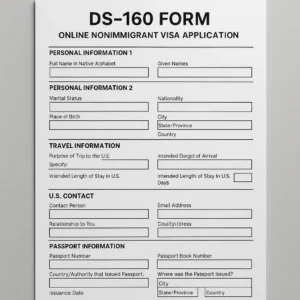
The foreign fiancé(e) must then complete Form DS-160, the online visa application, and pay the required fee. They will also schedule a visa interview at the U.S. embassy or consulate in their home country and undergo a medical examination with a certified physician.
At the interview, the applicant must present all required documents including identification, the medical exam results, and evidence of the relationship. If approved, the K-1 visa will be issued and valid for a single entry to the U.S. within six months. Once in the U.S., the couple must marry within 90 days of arrival.
How Much Does the K-1 Visa Cost?
Understanding the total cost of a K‑1 visa is crucial when planning to bring your fiancé(e) to the United States. While the process itself is relatively straightforward, the expenses involved can add up quickly — especially when accounting for both government fees and the additional costs that often go hand in hand with international immigration procedures.
The first required payment is the USCIS filing fee for Form I‑129F, which was updated in April 2024 and is currently $675. This form officially begins the process and must be submitted by the U.S. citizen petitioner.
Once the case is approved by USCIS and forwarded to the embassy or consulate abroad, the beneficiary must complete the Form DS‑160 and pay the nonimmigrant visa application fee of $265. This payment is made prior to the consular interview and is a standard part of U.S. visa processing.
In addition to government fees, the K‑1 visa process includes a mandatory medical examination, performed by a panel physician authorized by the U.S. embassy. Costs for this exam vary by country and provider, but typically range from $200 to $400, and may be higher if vaccines or additional tests are required.
When combining these standard charges, most couples can expect to spend between $1,100 and $1,300 on required fees alone. However, this is just the beginning.
There are also indirect or optional expenses that many applicants encounter, such as:
- Certified translations for documents like birth certificates, divorce decrees, or police records, which are often required for the embassy interview.
- Travel and lodging costs for the visa interview or medical exam, especially if the beneficiary must travel to another city or country.
- Shipping or courier fees related to visa packet delivery or document return.
Altogether, when factoring in both required and common incidental expenses, the total out-of-pocket cost for most couples falls between $2,300 and $2,800, though that number can be higher depending on individual circumstances and preferences for legal support.
So, it is advised to financially prepare to help reduce stress and also avoid delays caused by missing documentation or rushed planning. Planning ahead ensures you can focus on what matters most: starting your life together with confidence and stability.
K-1 Visa Processing Time
To begin with, how long will your K-1 petition take to be approved by USCIS? According to the official USCIS processing times page, Form I-129F approval is currently averaging 7 to 9 months. This estimate reflects recent improvements in service center workloads and internal procedures.
Once USCIS gives the go-ahead, the approved petition is forwarded to the National Visa Center and then routed to the U.S. consulate or embassy in your fiancé(e)’s country. Here, several steps — filing DS-160, undergoing the medical exam, and attending the interview — typically take anywhere from a few weeks to two or three months, depending on local scheduling availability and embassy procedures.
You might be wondering, “Does everyone move forward this quickly?” The answer is no. Some applicants have faced much longer timelines. In online forums, couples have reported waiting over 15 months from petition to visa issuance due to embassy delays, document requests, or limited interview appointments.
So where does that leave most applicants? For many, from the moment Form I-129F is filed until the K-1 visa is issued, the timeline tends to span between 9 and 12 months, though it can extend further depending on the country involved.
Once your fiancé(e) enters the country on the K-1 visa, you have 90 days to marry. If everything proceeds smoothly, Adjustment of Status is usually processed within another 7 to 9 months. This brings the total journey from petition to green card approval to roughly 12 to 18 months for most couples, though longer timelines are not uncommon in high-volume jurisdictions.
From K-1 Entry to Adjustment of Status (AOS)
As mentioned before, once your fiancé(e) steps into the United States on a K-1 visa, a legal clock starts ticking. You must marry within 90 days of entry. USCIS makes no exceptions. If you fail to marry within that period, the K-1 status ends, and the foreign national must leave the country or face serious immigration consequences.
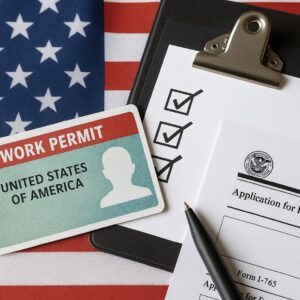
After the marriage, the next step is applying for Adjustment of Status to obtain lawful permanent residency. This is done by submitting Form I-485. Many applicants also include Form I-765 to apply for a work permit and Form I-131 to request advance travel permission, especially if they plan to work or travel while their green card is pending.
Have you prepared your medical exam and vaccination record in advance? In recent years, USCIS requires the I-693 medical form to be submitted at the same time as Form I-485. Forgetting this requirement can delay the entire case.
Processing times for marriage-based AOS cases vary, but on average, applicants see approvals between 7 and 9 months after filing. However, timelines depend heavily on local USCIS office backlogs. Some green card interviews are waived, but if one is scheduled, that may also affect the wait time.
Have you thought about what might happen if the marriage doesn’t occur in time? If unforeseen circumstances delay your wedding beyond the 90-day window, future filings must shift to the spousal visa route with Form I-130, which follows different requirements and much longer timelines.
Successfully completing this final stage of the K-1 process requires more than just following deadlines, it demands organization, foresight, and a clear understanding of what comes next. While marrying within 90 days is non-negotiable, what happens after that moment sets the foundation for permanent life together in the United States.
Filing for Adjustment of Status is the bridge between a temporary visa and long-term residency. And although processing times vary, the decisions you make during this period can directly influence the speed and outcome of your case.
For couples who are committed and well-prepared, this final stretch is not just a legal step. It’s the moment where temporary status becomes stability, and a shared future begins to take root, legally, emotionally, and permanently. As you reach the end of the K-1 process, the next chapter is just beginning.
Conclusion
At YT Multiservices, our goal with this article is to help you better understand the K-1 visa process and everything it involves. If you’re planning to bring your fiancé(e) to the United States, it’s important to know what steps to take, what documents are required, how much it may cost, and how long the process could take based on the latest information.
We explain how the K-1 visa works from the moment you file the petition to what happens after your fiancé(e) arrives in the U.S., including the 90-day marriage requirement and the next steps toward applying for permanent residency. We also break down typical costs, from filing fees to medical exams, and offer an overview of estimated processing times so you can plan ahead with realistic expectations.
This article is meant to serve as a practical resource for couples who are going through this journey together. At YT Multiservices, we’re here to support you with reliable information and document assistance and filing, so you feel more prepared and confident at every step.