If you are looking up a U-visa work permit, it is usually because you need stability right now, not someday. It is also completely normal to feel confused, because work authorization in a U case is not automatic just because you filed the petition. In many situations, employment authorization while a U petition is pending is tied to USCIS granting deferred action through specific steps, such as the bona fide determination process or the waiting list process, and the timing depends on where your case is in that pipeline.
This article is general information, not legal advice. YT Multiservices is not a law firm and does not provide legal representation or legal strategy. What we can do is help with administrative support that often reduces avoidable delays. If you need legal advice, USCIS explains how to find authorized legal services, which is also an important step for avoiding scams.
Because policy and procedures can change, especially around employment authorization, it is safer to build your plan around USCIS official tools and pages rather than old fee charts, outdated timelines, or social media summaries that mix different categories together. We will keep this focused on what USCIS publishes publicly so you can double check current guidance without guessing.
What Is A U Visa?
USCIS explains that U nonimmigrant status is a humanitarian protection for victims of certain qualifying criminal activity who suffered substantial physical or mental abuse and who have been helpful, are helpful, or are likely to be helpful to law enforcement in the investigation or prosecution of the crime. It is designed to support victims and also support public safety by encouraging cooperation with authorities.
The main petition is Form I-918, Petition for U Nonimmigrant Status, and USCIS provides the official form page and filing framework. In real life, this is often a documentation heavy filing, which is why administrative preparation matters so much. A packet can become harder to review when copies are unclear, translations are inconsistent, or identity details do not match across documents, even when the underlying story is strong.
One reason U-visa timelines can feel long is that there is an annual statutory cap on the number of principal U-1 visas that can be issued each fiscal year. USCIS discusses this cap in its policy materials, and it also publishes U-visa statistics explaining that principal petitioners are the ones counted against the cap, while derivatives are not counted toward that annual limit.
USCIS also highlights that when approvable petitions exceed the annual limit, USCIS uses a waiting list process. That matters for work authorization questions, because waiting list placement is one of the decision points that can lead to deferred action and the ability to request employment authorization, depending on what USCIS grants in your case.
If you are feeling pressure to “get it perfect,” the most helpful mindset is to focus on clarity and consistency rather than trying to do everything fast. A well-organized packet does not guarantee speed, but it can reduce preventable delays caused by missing pages, mismatched information, or poorly prepared supporting documents. If you want support with the administrative build, YT Multiservices can help you prepare your packet so it looks clean and submission ready, while legal questions stay with an authorized legal professional.
U-Visa Work Permit Eligibility
When people say “U-visa work permit,” they often mean two different things. One is employment authorization after USCIS approves U nonimmigrant status. The other is employment authorization that may be available while you are waiting, but only if USCIS grants deferred action through specific processes such as the bona fide determination process or waiting list placement. Keeping those concepts separate prevents confusion and false expectations.
USCIS describes the bona fide determination process as an initial review of a pending Form I-918 where USCIS determines whether the petition appears bona fide, conducts background and security checks, and then decides whether the petitioner warrants a favorable exercise of discretion. If USCIS grants deferred action through this process, USCIS may also provide employment authorization linked to that deferred action decision.
A related pathway is the U-visa waiting list. USCIS policy explains that when the annual cap prevents immediate issuance of U status, USCIS may place certain petitioners on the waiting list, and waiting list placement generally comes with deferred action and the ability to request employment authorization, subject to USCIS rules and discretion.
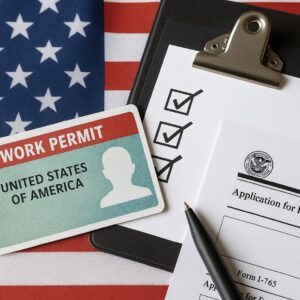
The application most used to request a work permit is Form I-765, Application for Employment Authorization. USCIS provides the official form page and instructions, and the eligibility category on the I-765 is one of the most important details, because the category has to match the basis for work authorization, such as a specific USCIS deferred action decision tied to a U petition.
A simple, non-legal way to think about eligibility is that a U-based EAD is often tied to a USCIS decision, not just a filing date. That is why the paperwork and notice history matters, because it determines which I-765 category and process applies. If you want help keeping your documents organized, consistent, and properly prepared, YT Multiservices can support the administrative side so you are not trying to carry everything alone.
U Visa Work Permit Processing Time
There is no single universal “U-visa work permit processing time,” because different steps move at different speeds. USCIS publicly discusses how it adjudicates U petitions and how the statutory cap affects final issuances, and it also explains the existence of the bona fide determination and waiting list processes that can affect whether someone receives deferred action and becomes eligible to request an EAD while waiting.
For the work permit step itself, USCIS provides a processing times tool for Form I-765, and it allows you to select the relevant eligibility category. This is the most reliable official way to get a current estimate for the EAD portion, because it is updated and category specific rather than being a general number that does not reflect your filing basis.
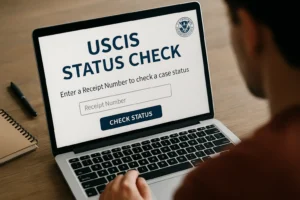
USCIS also provides a case status tool for tracking filings once you have a receipt number. While it does not replace processing time estimates, it helps you monitor movement, requests, and notice updates without relying on third party sites.
Timing can vary because the bona fide determination process involves both an initial review and background and security checks, and USCIS policy explains that it then requires a discretionary decision about whether the petitioner merits a favorable exercise of discretion. That combination means two cases filed around the same time can still move differently depending on screening and file readiness.
If you are planning employment, rent, childcare, or safety related steps, it helps to treat USCIS timeframes as estimates rather than promises. A clean packet does not guarantee faster decisions, but it can reduce avoidable delays caused by missing pages, mismatched names, or unclear supporting documents. If you want your paperwork to be easy to review, YT Multiservices can help you organize and prepare it in a way that reduces administrative friction.
Do you get a work permit while waiting for a U visa?
You may be able to get a work permit while waiting, but it is not automatic just because you filed the U petition. USCIS policy materials describe that deferred action and employment authorization may be provided through the bona fide determination process in certain cases, and waiting list placement can also create a basis to request employment authorization, depending on the USCIS decision in your case.
USCIS also published FAQ materials about the bona fide determination process that reinforce the idea that USCIS conducts initial reviews to determine whether a petition is bona fide and then considers discretionary and security related factors. This is why it is more accurate to say that some petitioners may receive deferred action and work authorization while waiting, rather than saying everyone automatically receives an EAD after filing.
Once you receive USCIS notice that you have deferred action connected to a U process decision, that is when it becomes important to align your I-765 filing with the correct eligibility basis. USCIS keeps the I-765 page updated with filing guidance and the processing times tool provides category estimates, which is safer than copying categories from someone else’s paperwork or relying on old templates.
Because U-visa applicants are often survivors of serious harm, scam risk is real. USCIS publishes scam prevention guidance and encourages people to verify information through official channels and use authorized providers for legal advice. If anyone guarantees outcomes, promises a “fast track,” or pressures you to sign something you do not understand, that is a signal to pause and verify.
If you want a more controlled next step, focus on the parts you can control, such as keeping copies organized, keeping information consistent, and making sure translations are certified when needed. YT Multiservices can help you prepare the administrative side with care, so you feel less alone in the process, and you can keep legal strategy with authorized counsel if you choose to work with one.
Latest U Visa Work Permit News
USCIS updated its Form I-918 page with an alert stating that as of September 9, 2025, USCIS met the fiscal year 2025 statutory cap of 10,000 principal U-1 visas. This is important because it confirms that the cap continues to be reached and it helps explain why USCIS uses processes like the waiting list and bona fide determinations while final issuances are constrained by statute.
In late October 2025, USCIS announced that DHS ended the practice of automatic extensions of employment authorization for many EAD renewal applicants who file on or after October 30, 2025, with exceptions and clarifications described by USCIS. This does not mean every U-based applicant is affected the same way, but it changes the broader work permit landscape and makes it even more important to follow the USCIS category guidance rather than assuming older renewal practices still apply.
USCIS also maintains policy manual content and public guidance that it updates over time, and for U cases, the most relevant sections are the chapters on the bona fide determination process and the waiting list. If you want “latest information” that is actually reliable, those official chapters are more dependable than commentary posts because they define the framework USCIS officers are using.
USCIS publishes U-visa statistics and reports explaining how the cap works and clarifying that derivatives are not counted against the annual principal cap. This is helpful context because it answers one of the most common questions people have when they hear “cap,” and it helps families understand that the cap is a statutory limit for principal visas rather than a simple “USCIS stopped all cases” scenario.
If your goal is to work as soon as you are eligible, the strongest plan is to keep your paperwork aligned with USCIS decisions and to monitor estimates through the USCIS processing times tool for the I-765 category that matches your situation. If you want to reduce stress and avoid administrative errors, YT Multiservices can help you prepare, organize, and present your documentation so you feel confident in what you are submitting.