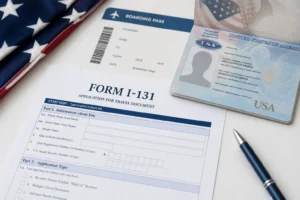
If you are applying for a green card through marriage, one of the most important things you need to demonstrate is that your marriage is genuine. USCIS does not simply take your word for it. The agency looks carefully at the evidence you provide to confirm that your relationship is real and was not entered into solely to obtain an immigration benefit.
This guide walks you through every category of documents USCIS considers acceptable, what each form requires, and how to build the strongest possible evidence package for your case. Whether you are filing Form I-130, I-485, or I-751, knowing what to submit can make a significant difference in the outcome.
Organizing your marriage evidence package can feel overwhelming when you don’t know where to start. At YT Multiservices in Florida, we work with couples throughout Florida to compile, review, and organize every category of documents, so that nothing is missing when it matters most. Visit us today.
Key Takeaways
- USCIS evaluates the totality of the relationship, not just one type of evidence. A large stack of documents from one single category is far less persuasive than a diverse mix that covers multiple areas of your shared life.
- Financial evidence including joint bank accounts, tax returns, insurance policies, and loans is one of the most persuasive categories because it reflects genuine long-term commitment.
- Shared residence documents such as a joint lease or mortgage, utility bills in both names, and landlord letters are fundamental. USCIS expects to see that both spouses occupy the same home.
- Relationship evidence including dated photographs, travel records, communication logs, and social media adds the interpersonal dimension that financial documents cannot provide on their own.
- Affidavits from friends and family are strongest when they include a signed declaration made under penalty of perjury and specific, verifiable details rather than general impressions. Notarization is not required, though some people choose it for added credibility.
- If any red flags exist in your case such as a large age gap, short courtship, or no shared finances, address them proactively with targeted additional evidence rather than hoping they go unnoticed.
- USCIS evaluates your intent at the time of marriage, not the outcome. A marriage that later ends in divorce is not the same as a sham marriage.
- Every non-English document in your package must be accompanied by a full certified translation with a proper certification statement.
What Is a Bona Fide Marriage for Immigration Purposes?
A bona fide marriage, in the context of U.S. immigration law, is a legally valid marriage entered into in good faith by both spouses, with the genuine intention of building a shared life together. It stands in contrast to a fraudulent or sham marriage, which is one arranged primarily to obtain an immigration benefit.
USCIS evaluates bona fides by looking at the totality of the relationship: finances, living arrangements, communication, shared experiences, and more. There is no single document that proves your marriage is real. Instead, the agency expects to see a combination of evidence across multiple categories.
Understanding this principle from the start is critical. Many couples make the mistake of submitting a large volume of documents that all fall into one category, such as photos alone or bank statements alone. USCIS officers are trained to evaluate breadth and diversity of evidence, not just volume. A thoughtful, well-organized package that covers multiple dimensions of your shared life will always outperform a stack of repetitive documents.
When Does USCIS Require Proof of a Bona Fide Marriage?
USCIS requires marriage evidence at multiple stages of the green card process. The specific forms that trigger this requirement are outlined below.
With Form I-130 (Petition for Alien Relative)
Form I-130 is the first step in the process. A U.S. citizen or lawful permanent resident files this petition on behalf of their foreign-born spouse. At this stage, you must prove that the marriage is legally valid and was entered into in good faith. Supporting documents submitted here set the foundation for everything that follows, so completeness matters from the very beginning.
With Form I-485 (Adjustment of Status)
If the foreign spouse is already in the United States, they may file Form I-485 to apply for permanent residence. During this process, both spouses are typically called in for an interview, and a USCIS officer will ask detailed questions about the marriage and review the evidence submitted. Having updated documents that reflect your current living situation is essential at this stage.
With Form I-751 (Removing Conditions on Residence)
If the couple had been married for less than two years at the time the green card was granted, the foreign spouse receives a conditional green card valid for two years. Form I-751 must be filed within the 90-day period immediately before that conditional card expires; missing this window can automatically terminate the conditional status. In most cases, both spouses must jointly file Form I-751 to remove the conditions and demonstrate that the marriage has continued to exist in good faith. Couples who are no longer together because of divorce, the death of the petitioning spouse, or documented abuse may qualify for a waiver of the joint filing requirement and can file individually instead. Whether filing jointly or under a waiver, this submission requires evidence of the marriage’s ongoing nature, not just its beginning.
At the Green Card Interview
Even after submitting all documentation, USCIS officers may ask detailed questions at the interview about your daily life, home, finances, routines, and relationship history. Officers sometimes separate spouses and ask identical questions to compare answers. Strong documentation prepared in advance, combined with a thorough review of the file together, makes it easier to answer confidently and consistently.
Financial Evidence of a Shared Life
One of the most persuasive categories of marriage evidence is shared finances. USCIS officers look at this carefully because combining finances reflects genuine partnership and long-term commitment.
Joint Bank Account Statements
Statements showing both spouses’ names on a shared account, along with regular transactions such as grocery purchases, bill payments, and transfers, demonstrate that the couple manages their financial life together. Ideally, submit at least six months of statements. Accounts that show regular, varied, day-to-day activity are far more convincing than accounts that were opened recently or show only occasional transactions.
Joint Tax Returns
Filing a joint federal or state tax return is one of the strongest forms of financial evidence available. It shows that both spouses identified themselves as married to the IRS. Submit copies of your most recent returns. If you filed separately, include a written explanation for the reason and submit both individual returns. Note that filing jointly also carries legal implications, so consult a qualified tax professional if you have questions about your specific situation.
Joint Credit Cards and Loans
Being listed together on a credit card account, car loan, personal loan, or mortgage demonstrates financial interdependence that goes beyond a simple shared account. Provide account statements showing both names and recent activity. If you co-signed a loan together, include the original loan agreement as well.
Insurance Policies (Health, Auto, Life)
Adding a spouse to a health insurance plan, listing them as a beneficiary on a life insurance policy, or sharing an auto insurance policy are all meaningful indicators of a genuine marital relationship. Submit the declarations page or benefit summary showing both names. These documents are particularly powerful because they involve real financial risk and legal responsibility, which most people would not extend to a stranger or temporary partner.
Proof of Shared Residence
Living together is a fundamental aspect of a real marriage. USCIS wants to see documents that confirm both spouses occupy the same home.
Joint Lease or Mortgage
A lease agreement or mortgage document listing both spouses as tenants or co-borrowers is one of the most direct ways to prove shared residence. Submit the full agreement, including the signature pages and any renewal documents. If only one spouse is listed on the lease, include a landlord letter confirming both residents live at the property, along with utility bills and other corroborating documents.
Utility Bills in Both Names
Electricity, water, gas, cable, and internet bills listing both names at the same address are effective and relatively easy to obtain. Collect several months of bills across different utility providers for a more complete picture. Even a single utility in each spouse’s name at the same address provides useful corroborating evidence.
Mail and Official Correspondence at the Same Address
Bank statements, government correspondence, subscription services, and any other official mail received by both spouses at the same address help establish a shared home. Make sure the address on these documents matches exactly what you have listed in your application. Inconsistencies in addresses across your package can raise unnecessary questions.
Affidavit From Landlord or Neighbors
In situations where formal documentation of shared residence is limited, a signed statement from your landlord, building manager, or a neighbor who can confirm that both spouses live at the same address can serve as meaningful supplementary evidence. As with other supporting affidavits, the statement should include a declaration made under penalty of perjury; notarizing it is optional but can add credibility.
Relationship Evidence
Beyond finances and housing, USCIS looks for proof that the couple has a genuine interpersonal relationship built over time and sustained through real shared experiences.
Photos of Your Life Together
Submit printed photographs or high-quality photo printouts showing the couple at different times and in different settings: holidays, family events, vacations, everyday moments at home, and gatherings with friends or relatives. Aim for photos that are clearly dated, include other people when possible, and reflect different stages of the relationship.
Avoid submitting only posed formal or wedding photos. USCIS officers look for candid, natural images that reflect a real, ongoing shared life. Organize photos chronologically and include brief captions identifying the occasion, location, and date.
Travel Records and Boarding Passes
If the couple has traveled together, boarding passes, hotel reservations, passport stamps, and travel itineraries serve as excellent corroborating evidence. These records show that both spouses chose to spend time together outside of routine daily life. Organize them chronologically and label each item clearly.
Communication Records (Calls, Texts, Messages)
For couples who spent time apart, particularly before the wedding or during the green card process, screenshots of text messages, call logs, emails, or video call histories can demonstrate consistent and ongoing communication. Highlight the dates and frequency of contact. This type of evidence is especially important for couples who were in different countries during any part of their relationship.
Social Media Evidence
Printouts of shared posts, tagged photos, mutual connections, and public relationship announcements on social platforms can reinforce the authenticity of the relationship. Include the full URL and date of each post. This evidence is most effective when it shows a pattern of public acknowledgment of the relationship over time, not just a single announcement made around the time of filing.
Putting together a marriage evidence package can feel overwhelming. Our team works with couples throughout Florida to organize documents category by category so that nothing is overlooked. Reach out today and let us help you build a well-organized, complete submission.
Affidavits From Friends and Family (Sworn Statements)
Personal statements from people who know the couple can add a powerful human dimension to your evidence package. While financial and residential documents speak to practical shared life, affidavits speak to the emotional and social reality of the relationship.
What an Affidavit for Marriage Must Include
A supporting affidavit should include the full legal name and contact information of the person writing it, their relationship to the couple, a description of how they know both spouses, specific examples or events they have personally witnessed that demonstrate the genuine nature of the relationship, and a signed statement declaring, under penalty of perjury, that the information provided is true and correct to the best of their knowledge. This penalty-of-perjury language, not notarization, is what gives the statement its legal weight.
Vague statements such as ‘they seem happy together’ carry very little weight. The most effective affidavits include specific, verifiable details: dates of events attended together, descriptions of the couple’s home, observations about their communication style, and concrete examples of how they support one another.
Who Should Write Your Affidavit?
The most convincing affidavits come from people who have known both spouses over an extended period, such as close friends, siblings, parents, coworkers, or neighbors. The writer should be able to speak from direct personal observation and should be able to describe specific interactions with the couple, not just general impressions.
Does the Affidavit Need to Be Notarized?
No. USCIS does not require supporting affidavits submitted with marriage evidence to be notarized. What matters legally is that the affidavit includes a signed declaration made under penalty of perjury, consistent with 28 U.S.C. § 1746, affirming that the contents are true and correct. Notarizing a statement does not make it more legally binding, but some petitioners choose to notarize anyway for added credibility with the reviewing officer. If you do notarize, make sure the underlying declaration language is still included.
Evidence of Children Together
If the couple has biological children together, certified birth certificates listing both parents are among the most compelling pieces of evidence USCIS can receive. These documents are difficult to dispute and speak directly to the genuine and enduring nature of the relationship. Include certified copies of all children’s birth certificates, along with any school enrollment records or medical records showing both parents listed.
What If You Do Not Have Enough Evidence?
Not every couple has years of joint financial records or extensive documentation. USCIS understands this reality. What matters is that you present whatever evidence is available and provide clear context for any gaps in your documentation.
Newly Married Couples
If you have only been married a short time, focus on the most recent evidence available: the joint lease or mortgage, any shared accounts opened since the wedding, wedding photos and video, and affidavits from people who attended the ceremony or know the couple well. A personal statement from both spouses explaining your relationship history and current living situation can help fill in gaps.
Long-Distance Marriages
If the spouses lived in different countries or different states during part of the marriage, provide communication records, travel history showing visits, and affidavits from people in both locations who can speak to the relationship. Explain the circumstances clearly in a written personal statement. Long-distance marriages are not inherently suspicious, but the absence of any documentation to explain the distance may raise questions that are better addressed proactively.
Couples With Limited Documentation
Some couples, particularly those in cash-based households or informal living arrangements, may have fewer traditional financial documents. In these cases, focus on relationship evidence, affidavits, photographs, and any other available records. A well-written personal statement explaining your circumstances and describing your daily life together can supplement thinner documentation effectively.
Red Flags That Trigger Extra USCIS Scrutiny
USCIS officers are trained to identify potential indicators of a fraudulent marriage. Being aware of these factors allows you to prepare a more thorough and proactive submission.
| Red Flag | Why It Raises Concern |
| Large age gap between spouses | May suggest a transactional arrangement |
| Very short courtship before marriage | Raises questions about the depth of the relationship |
| Different languages, no shared communication records | Questions how the couple communicates |
| No shared finances or address | Undermines the claim of a genuine shared life |
| Prior history of immigration fraud | Creates heightened scrutiny across the file |
| Inconsistent answers at interview | Suggests spouses do not truly know each other |
| No wedding photos or ceremony documentation | Makes the event difficult to verify |
| Large difference in educational or economic background | May prompt questions about the nature of the arrangement |
If any of these factors apply to your situation, it does not automatically mean your application will be denied. It does mean you should prepare additional, targeted evidence to address and explain those specific circumstances clearly and proactively. Consider consulting with a licensed immigration attorney if your case involves multiple complicating factors.
How to Organize Your Evidence Package for USCIS
Submitting a disorganized package of documents can create confusion and slow down processing. A well-organized submission demonstrates care and professionalism and makes it easier for the reviewing officer to evaluate your case favorably.
Organize your documents by category, using labeled dividers or a table of contents. Each section should clearly identify the type of evidence it contains. Place the most compelling documents near the front of each section. Include a brief cover letter that describes the contents of the package and references the specific form being filed.
Number each exhibit and refer to those exhibit numbers in your cover letter. For example: ‘Exhibit 3: Joint bank account statements from January through June 2026.’ This level of organization signals to USCIS that you take the process seriously and have nothing to hide.
FAQs About Bona Fide Marriage Evidence
How many documents should I submit to prove a bona fide marriage?
There is no set minimum. USCIS evaluates quality and variety over quantity. A diverse mix of financial, residential, and relationship evidence is far more effective than a large stack of similar documents.
Can I submit documents in a language other than English?
Yes, but every document must be accompanied by a full certified English translation. The translator must include a signed certification stating they are competent to translate the language in question and that the translation is accurate and complete.
What if my spouse and I filed taxes separately?
Filing separately is not unusual and will not disqualify your application. However, include both individual returns and consider adding a brief written explanation. USCIS generally views joint filings as stronger evidence because they reflect a unified financial household.
Do we need to submit originals or copies?
Generally, USCIS accepts clear, legible photocopies. However, always follow the specific instructions for the form you are submitting. Certain documents, such as birth certificates, may need to be certified copies rather than simple photocopies.
What happens at the green card marriage interview?
A USCIS officer will interview both spouses, sometimes separately, and ask questions about your daily life, routines, home, family, and relationship history. Officers may compare answers to look for inconsistencies. Reviewing your submitted documents together before the interview is one of the most important steps you can take to prepare.
Is a religious ceremony enough proof of marriage?
A religious ceremony alone is generally not sufficient unless it was also legally registered with civil authorities. USCIS requires a legally valid marriage in the country or state where it took place. Always submit the official civil marriage certificate as the primary proof of the marriage itself.
What is the difference between a fraudulent marriage and a marriage that later fails?
USCIS is evaluating your intent at the time of the marriage, not the outcome. A marriage entered into in good faith that later ends in divorce or separation is not the same as a sham marriage. However, if a marriage ends very shortly after the green card is obtained, it may invite additional scrutiny, particularly at the I-751 stage.
How YT Multiservices Helps You Build Your Marriage Evidence Package
YT Multiservices is not a law firm and does not provide legal advice or legal representation. What we do is work with couples and families throughout Florida to organize, compile, and prepare the supporting documents USCIS expects to see at every stage of the marriage-based green card process.
Our document services include:
- Reviewing your current document collection and identifying gaps across all evidence categories
- Organizing your package category by category with labeled sections, a cover letter, and numbered exhibits
- Preparing affidavits for friends or family members who will submit supporting statements, including proper penalty-of-perjury declaration language
- Providing certified translations for any civil documents issued in a language other than English
- Assisting with document organization for Form I-130, I-485, and I-751 filings
- Guiding you on what to gather and how to present evidence for long-distance relationships, newly married couples, or situations with limited documentation
For legal questions about your specific immigration case, whether a particular document qualifies as sufficient evidence, or how to handle a complex situation involving red flags or prior immigration history, always consult with a licensed immigration attorney.
Organizing your marriage evidence package is one of the most consequential steps in the entire green card process. At YT Multiservices in Florida, we work with couples throughout Florida to compile, review, and organize each evidence category so nothing is missing from your submission. Visit us today.
Final Checklist: Documents to Include in Your USCIS Marriage Evidence Package
Use this checklist as a starting point when building your submission:
- Official civil marriage certificate (certified copy)
- Joint federal and state tax returns (most recent available)
- Joint bank account statements (minimum 6 months)
- Joint lease agreement or mortgage documents
- Utility bills in both names at the same address
- Health, auto, or life insurance documents listing both spouses
- Joint credit card or loan statements
- Photographs organized by date and occasion
- Travel records (boarding passes, hotel bookings, passport stamps)
- Communication records if applicable (call logs, messages, emails)
- Affidavits from friends or family members, signed under penalty of perjury (notarized if you prefer)
- Birth certificates of any children born to the couple
- Social media printouts with dates and URLs
- Personal statement from each spouse if helpful for context
This list is not exhaustive, and not every couple will have every item. Submit what you have, organized clearly, and provide context for anything that is missing.